Page 311 Acute Pain Management
P. 311
symptoms and disability were mild‐to‐moderate. No OTC agent was found to be superior.
However, OTC medications are only indicated in migraineurs with mild‐to‐moderate symptoms
(Wenzel et al, 2003 Level I).
Triptans
Triptans are effective in the treatment of acute migraine, particularly in the presence of severe
pain and disability, where simple analgesia has failed to provide adequate relief in the past. As
there is considerable interindividual response to the different triptans, patients should trial a
variety of drugs and doses until the most suitable regimen is found (Silberstein, 2000; Oldman et
al, 2002 Level I).
The route of administration of a triptan may affect its efficacy, speed of onset and tolerability.
SC injections and nasal sprays provide fast onset of symptom relief and higher efficacy,
however injections are less well tolerated by patients. In contrast, oral triptans are well
tolerated but have a slower onset of action and lower reliability due to gastric stasis associated
with migraine. Therefore, if the oral route is used, the triptan should preferably be given early
in an attack (Dahlof, 2002). Suppositories are well tolerated and avoid problems with oral
absorption.
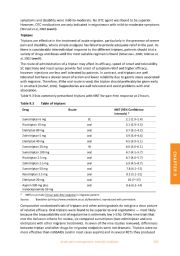
Table 9.3 lists commonly prescribed triptans with NNT for pain‐free response at 2 hours.
Table 9.3 Table of triptans
Drug Route NNT (95% Confidence
intervals) *
Sumatriptan 6 mg SC 2.1 (1.9–2.4)
Rizatriptan 10 mg oral 3.1 (2.9–3.5)
Eletriptan 80 mg oral 3.7 (3.2–4.2)
Zolmitriptan 5 mg oral 3.9 (3.4–4.6)
Eletriptan 40 mg oral 4.5 (3.9–5.1)
Sumatriptan 20 mg IN 4.6 (3.6–6.1)
Sumatriptan 100 mg oral 4.7 (4.1–5.7)
Rizatriptan 2.5 mg oral 4.7 (4.0–5.7)
Zolmitriptan 2.5 mg oral 5.9 (4.5–8.7) CHAPTER 9
Sumatriptan 50 mg oral 7.8 (6.1–11)
Naratriptan 2.5 mg oral 8.2 (5.1–21)
Eletriptan 20 mg oral 10 (7–17)
Aspirin 900 mg plus oral 8.6 (6.2–14)
metoclopramide 10 mg
* NNTs to provide 2‐hour pain‐free response in migraine patient.
Source: Bandolier (at http://www.medicine.ox.ac.uk/bandolier); reproduced with permission.
Comparative randomised trials of triptans and other antimigrainals do not give a clear picture
of relative efficacy. Oral triptans were found to be superior to oral ergotamine — most likely
because the bioavailability oral of ergotamine is extremely low (<1%). Of the nine trials that
met the inclusion criteria for review, six compared sumatriptan (two zolmitriptan and one
eletriptan) with other migraine treatments. In seven of the nine studies reviewed, differences
between triptan and other drugs for migraine endpoints were not dramatic. Triptans were no
more effective than nsNSAIDs (and in most cases aspirin) and in several RCTs they produced
Acute pain management: scientific evidence 263