Page 59 Acute Pain Management
P. 59
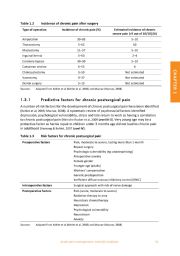
Table 1.2 Incidence of chronic pain after surgery
Type of operation Incidence of chronic pain (%) Estimated incidence of chronic
severe pain [>5 out of 10/10] (%)
Amputation 30–85 5–10
Thoracotomy 5–65 10
Mastectomy 11–57 5–10
Inguinal hernia 5–63 2–4
Coronary bypass 30–50 5–10
Caesarean section 6–55 4
Cholecystectomy 3–50 Not estimated
Vasectomy 0–37 Not estimated
Dental surgery 5–13 Not estimated CHAPTER 1
Sources: Adapted from Kehlet et al (Kehlet et al, 2006) and Macrae (Macrae, 2008)
1.3.1 Predictive factors for chronic postsurgical pain
A number of risk factors for the development of chronic postsurgical pain have been identified
(Kehlet et al, 2006; Macrae, 2008). A systematic review of psychosocial factors identified
depression, psychological vulnerability, stress and late return to work as having a correlation
to chronic postsurgical pain (Hinrichs‐Rocker et al, 2009 Level III‐3). Very young age may be a
protective factor as hernia repair in children under 3 months age did not lead to chronic pain
in adulthood (Aasvang & Kehlet, 2007 Level IV).
Table 1.3 Risk factors for chronic postsurgical pain
Preoperative factors Pain, moderate to severe, lasting more than 1 month
Repeat surgery
Psychologic vulnerability (eg catastrophising)
Preoperative anxiety
Female gender
Younger age (adults)
Workers’ compensation
Genetic predisposition
Inefficient diffuse noxious inhibitory control (DNIC)
Intraoperative factors Surgical approach with risk of nerve damage
Postoperative factors Pain (acute, moderate to severe)
Radiation therapy to area
Neurotoxic chemotherapy
Depression
Psychological vulnerability
Neuroticism
Anxiety
Sources: Adapted from Kehlet et al (Kehlet et al, 2006) and Macrae (Macrae, 2008)
Acute pain management: scientific evidence 11