Page 61 Acute Pain Management
P. 61
Preventive analgesia is the persistence of analgesic treatment efficacy beyond its expected
duration. In clinical practice, preventive analgesia appears to be the most relevant and holds
the most hope for minimising chronic pain after surgery or trauma, possibly because it
decreases central sensitisation and ‘windup’. An important consideration to maximise the
benefit of any preventive strategy is that the active intervention should be continued for as
long as the sensitising stimulus persists, that is well into the postoperative period (Dahl &
Moiniche, 2004; Pogatzki‐Zahn & Zahn, 2006).
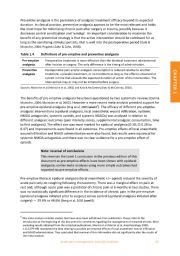
Table 1.4 Definitions of pre‐emptive and preventive analgesia
Pre‐emptive Preoperative treatment is more effective than the identical treatment administered
analgesia after incision or surgery. The only difference is the timing of administration.
Preventive Postoperative pain and/or analgesic consumption is reduced relative to another
analgesia treatment, a placebo treatment, or no treatment as long as the effect is observed at
a point in time that exceeds the expected duration of action of the intervention. The
intervention may or may not be initiated before surgery. CHAPTER 1
Sources: Moiniche et al (Moiniche et al, 2002) and Katz & McCartney (Katz & McCartney, 2002).
The benefits of pre‐emptive analgesia have been questioned by two systematic reviews (Dahl &
Moiniche, 2004; Moiniche et al, 2002). However a more recent meta‐analysis provided support for
1
pre‐emptive epidural analgesia (Ong et al, 2005 Level I ). The efficacy of different pre‐emptive
analgesic interventions (epidural analgesia, local anaesthetic wound infiltration, systemic
NMDA antagonists, systemic opioids, and systemic NSAIDs) was analysed in relation to
different analgesic outcomes (pain intensity scores, supplemental analgesic consumption, time
to first analgesic). The effect size was most marked for epidural analgesia (0.38; CI 0.28 to
0.47) and improvements were found in all outcomes. Pre‐emptive effects of local anaesthetic
wound infiltration and NSAID administration were also found, but results were equivocal for
systemic NMDA antagonists and there was no clear evidence for a pre‐emptive effect of
opioids.
Note: reversal of conclusions
This reverses the Level 1 conclusion in the previous edition of this
document as pre‐emptive effects have been shown with epidural
analgesia; earlier meta‐analyses using more simple outcomes had
reported no pre‐emptive effects.
Pre‐emptive thoracic epidural analgesia (local anaesthetic +/– opioid) reduced the severity of
acute pain only on coughing following thoracotomy. There was a marginal effect on pain at
rest and, although acute pain was a predictor of chronic pain at 6 months in two studies, there
was no statistically significant difference in the incidence of chronic pain in the pre‐emptive
(epidural analgesia initiated prior to surgery) versus control (epidural analgesia initiated after
surgery) — 39.6% vs 48.6% (Bong et al, 2005 Level I).
1
This meta‐analysis includes studies that have since been withdrawn from publication. Please refer to the
Introduction at the beginning of this document for comments regarding the management of retracted articles. After
excluding results obtained from the retracted publications, Marret et al (Marret et al, Anesthesiology 2009;
111:1279–89) reanalysed the data relating to possible pre‐emptive effects of local anaesthetic wound infiltration
and NSAID administration. They concluded that removal of this information did not significantly alter the results of
the meta‐analysis.
Acute pain management: scientific evidence 13