Page 65 Acute Pain Management
P. 65
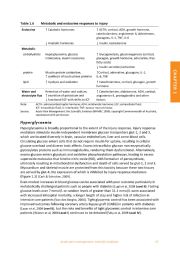
Table 1.6 Metabolic and endocrine responses to injury
Endocrine ↑ Catabolic hormones ↑ ACTH, cortisol, ADH, growth hormone,
catecholamines, angiotensin II, aldosterone,
glucagons, IL‐1, TNF, IL‐6
↓ Anabolic hormones ↓ Insulin, testosterone
Metabolic
carbohydrate Hyperglycaemia, glucose ↑ Glycogenolysis, gluconeogenesis (cortisol,
intolerance, insulin resistance glucagon, growth hormone, adrenaline, free
fatty acids)
↓ Insulin secretion/activation
protein Muscle protein catabolism, ↑Cortisol, adrenaline, glucagons, IL‐1,
↑ synthesis of acute phase proteins IL‐6, TNF
lipid ↑ Lipolysis and oxidation ↑ Catecholamines, cortisol, glucagon, growth CHAPTER 1
hormone
Water and Retention of water and sodium, ↑ Catecholamine, aldosterone, ADH, cortisol,
electrolyte flux ↑ excretion of potassium and angiotensin II, prostaglandins and other
↓ functional ECF with shifts to ICF factors
Note: ACTH: adrenocorticotrophic hormone; ADH: antidiuretic hormone; ECF: extracellular fluid;
ICF: intracellular fluid; IL: interleukin; TNF: tumour necrosis factor.
Source: Acute Pain Management: the Scientific Evidence (NHMRC 1999); copyright Commonwealth of Australia,
reproduced with permission.
Hyperglycaemia
Hyperglycaemia is broadly proportional to the extent of the injury response. Injury response
mediators stimulate insulin‐independent membrane glucose transporters glut‐1, 2 and 3,
which are located diversely in brain, vascular endothelium, liver and some blood cells.
Circulating glucose enters cells that do not require insulin for uptake, resulting in cellular
glucose overload and diverse toxic effects. Excess intracellular glucose non‐enzymatically
glycosylates proteins such as immunoglobulins, rendering them dysfunctional. Alternatively,
excess glucose enters glycolysis and oxidative phosphorylation pathways, leading to excess
superoxide molecules that bind to nitric oxide (NO), with formation of peroxynitrate,
ultimately resulting in mitochondrial dysfunction and death of cells served by glut‐1, 2 and 3.
Myocardium and skeletal muscle are protected from this toxicity because these two tissues
are served by glut‐4, the expression of which is inhibited by injury response mediators
(Figure 1.3) (Carli & Schricker, 2009).
Even modest increases in blood glucose can be associated with poor outcome particularly in
metabolically challenged patients such as people with diabetes (Lugli et al, 2008 Level II). Fasting
glucose levels over 7 mmol/L or random levels of greater than 11.1 mmol/L were associated
with increased inhospital mortality, a longer length of stay and higher risk of infection in
intensive care patients (Van den Berghe, 2004). Tight glycaemic control has been associated with
improved outcomes following coronary artery bypass graft (CABG) in patients with diabetes
(Lazar et al, 2004 Level II), but the risks and benefits of tight glycaemic control in intensive care
patients (Wiener et al, 2008 Level I) continues to be debated (Fahy et al, 2009 Level IV).
Acute pain management: scientific evidence 17