Page 66 Acute Pain Management
P. 66
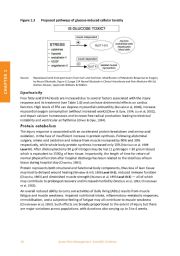
Figure 1.3 Proposed pathways of glucose‐induced cellular toxicity
CHAPTER 1 Source: Reproduced with kind permission from Carli and Schricker, Modification of Metabolic Response to Surgery
by Neural Blockade, Figure 6.3 page 134 Neural Blockade in Clinical Anesthesia and Pain Medicine 4th Ed,
Wolters Kluwer, Lippincott Williams & Wilkins.
Lipotoxicity
Free fatty acid (FFA) levels are increased due to several factors associated with the injury
response and its treatment (see Table 1.6) and can have detrimental effects on cardiac
function. High levels of FFA can depress myocardial contractility (Korvald et al, 2000), increase
myocardial oxygen consumption (without increased work) (Oliver & Opie, 1994; Liu et al, 2002),
and impair calcium homeostasis and increase free radical production leading to electrical
instability and ventricular arrhythmias (Oliver & Opie, 1994).
Protein catabolism
The injury response is associated with an accelerated protein breakdown and amino acid
oxidation, in the face of insufficient increase in protein synthesis. Following abdominal
surgery, amino acid oxidation and release from muscle increased by 90% and 30%
respectively, while whole body protein synthesis increased only 10% (Harrison et al, 1989
Level IV). After cholecystectomy 50 g of nitrogen may be lost (1 g nitrogen = 30 g lean tissue)
which is equivalent to 1500 g of lean tissue. Importantly, the length of time for return of
normal physical function after hospital discharge has been related to the total loss of lean
tissue during hospital stay (Chandra, 1983).
Protein represents both structural and functional body components, thus loss of lean tissue
may lead to delayed wound healing (Windsor & Hill, 1988 Level III‐3), reduced immune function
(Chandra, 1983) and diminished muscle strength (Watters et al, 1993 Level III‐3) — all of which
may contribute to prolonged recovery and increased morbidity (Watters et al, 1993; Christensen
et al, 1982).
An overall reduced ability to carry out activities of daily living (ADLs) results from muscle
fatigue and muscle weakness. Impaired nutritional intake, inflammatory–metabolic responses,
immobilisation, and a subjective feeling of fatigue may all contribute to muscle weakness
(Christensen et al, 1990). Such effects are broadly proportional to the extent of injury but there
are major variations across populations, with durations also varying up to 3 to 4 weeks.
18 Acute Pain Management: Scientific Evidence